Create an account to receive alerts on new research
SaveShareAsk AI
Painaid
Depletes
Prolonged use of Painaid can impact 7 essential nutrients.
Zinc
Studies indicate that medications like aspirin can increase zinc loss through urine. Zinc plays a vital role in wound healing, protein synthesis, cell reproduction, immunity, and vision. If you take aspirin regularly, consider monitoring zinc levels and supplementation may be beneficial to prevent a deficiency.
Replace with Zinc Bisglycinate (12.5 mg)
Research: Babu SSN, Singla S, Jena G. Role of Combination Treatment of Aspirin and Zinc in DMH-DSS-induced Colon Inflammation,...
Vitamin C
Research suggests that taking Vitamin C alongside Acetaminophen might prolong the medication's presence in the bloodstream. This could potentially allow for lower Acetaminophen doses, thereby reducing the risk of side effects.
Replace with Vitamin C Ascorbic Acid (200 mg)
Research: Matić MM, Paunović MG, Milošević MD, Ognjanović BI, Saičić ZS. Hematoprotective effects and antioxidant properties of...
Milk Thistle
Milk thistle (Silybum marianum) contains a group of complex flavonoids called silymarin. This natural compound has been shown to increase glutathione levels in the liver. Acetaminophen, a widely used pain reliever and fever reducer, can be harmful to the liver in high doses or for people with certain risk factors. Research suggests that silymarin may help elevate glutathione levels within the liver. Glutathione is an important antioxidant that the body uses to combat damage, and its depletion is believed to play a role in how acetaminophen harms the liver.
Replace with Milk Thistle (Silybum marianum) (seed) Standardized 80% Silymarin Flavonoids) (200 mg)
Research: Abdilkerim Oyman, et al. Protective Effects of Silymarin on Acetaminophen-Induced Toxic Hepatitis. EJMA 2022;2(1):1–6. Noor...
Niacinamide
Acetaminophen, a common pain reliever and fever reducer, is generally safe at recommended doses. However, overdosing can lead to severe oxidative stress, a cellular imbalance that damages the liver and can cause acute liver failure. Niacinamide, a form of vitamin B3, has been shown to be effective in mitigating many conditions caused by oxidative stress. Recent research specifically investigated its ability to protect the liver from acetaminophen damage. The study found that niacinamide offered both preventive (prophylactic) and treatment (therapeutic) benefits.
Replace with Niacinamide (100 mg)
Research: Mahmoud YI, Mahmoud AA. Role of nicotinamide (vitamin B3) in acetaminophen-induced changes in rat liver: Nicotinamide effect...
NAC
Studies suggest that acetaminophen may cause liver damage in high doses or with certain risk factors. N-acetylcysteine (NAC) has been shown to offer protective benefits for the liver against the potential toxic effects of acetaminophen.
Replace with N-Acetylcysteine (200 mg)
Research: Hendrickson RG. What is the most appropriate dose of N-acetylcysteine after massive acetaminophen overdose? Clin Toxicol...
Vitamin B12
Research found that individuals hospitalized with heart disease and a history of aspirin use were nearly twice as likely to have low or borderline vitamin B12 levels compared to non-aspirin users. While this doesn't definitively prove aspirin causes B12 deficiency, it raises a potential link. Aspirin can irritate the stomach lining in some individuals. This is concerning because the stomach plays a crucial role in vitamin B12 absorption by producing hydrochloric acid and intrinsic factor. Both are essential for proper B12 uptake.
Replace with Vitamin B12 Methylcobalamin (0.2 mg)
Research: van Oijen MG, Laheij RJ, Peters WH, Jansen JB, Verheugt FW; BACH study. Association of aspirin use with vitamin B12...
Also Benefits From:
Omega 3
Omega-3 fatty acids offer promise for managing pain associated with osteoarthritis (OA). Research suggests they may work by reducing inflammation, a key contributor to OA pain and stiffness. Studies involving over 2000 patients with OA showed that omega-3 supplementation significantly lessened joint pain compared to a placebo. This improvement was accompanied by increased joint function, suggesting omega-3s might help people with OA move more easily and comfortably.
Research: Kuszewski JC, Wong RHX, Howe PRC. Fish oil supplementation reduces osteoarthritis-specific pain in older adults with...
Health Impact
Painaid-induced nutrient depletion can lead to a range of health problems
Weakened Immune Response
Classic dermatology and immunology literature shows that zinc deficiency causes lymphopenia and reduced immune capacity; more recent work links marginal deficiency to impaired inflammatory and anti-microbial responses.
Research: Fraker PJ et al. The dynamic link between the integrity of the immune system and zinc status. JAMA Dermatol....
Slow Skin & Wound Healing
Experimental and clinical studies demonstrate that zinc deficiency is associated with skin lesions, delayed wound closure and abnormal inflammatory responses, while zinc repletion can improve healing outcomes in selected populations.
Research: Lin PH, Sermersheim M et al. Zinc in wound healing modulation. Nutrients. 2017;9(1):16.; News-Medical. The role of zinc in...
Scurvy & Fragile Blood Vessels
Modern case reports and re-analyses of classic scurvy trials show that vitamin C deficiency causes defective collagen and capillary integrity, with slow recovery of scar strength even after repletion if deficiency is prolonged.
Research: Gandhi M et al. Scurvy: rediscovering a forgotten disease. Clin Case Rep. 2023;11(6):e10296835.; Hujoel PP, Hujoel MLA....
Delayed Wound Healing & Fatigue
Systematic reviews report improved healing of chronic wounds with vitamin C supplementation in deficient or high-need states, supporting the clinical impact of inadequate ascorbate on tissue repair.
Research: Bechara N et al. The role of vitamin C in tissue repair and wound healing: a systematic review. Int Wound J....
Modest Hepatoprotective Antioxidant Loss
Randomized trials in chronic liver disease show that milk thistle is generally safe but has mixed effects on liver enzymes and histology, suggesting a modest hepatoprotective role in some contexts rather than an essential nutrient function.
Research: Jacobs BP et al. Milk thistle for the treatment of liver disease. Am J Med. 2002;113(6):506-515.; Fried MW et al. Effect of...
Limited Impact When Not Supplemented
Controlled trials and meta-analyses indicate no consistent benefit of silymarin on hard liver outcomes, which argues against classifying lack of milk thistle exposure as a clinically meaningful deficiency.
Research: Tanamly MD et al. Randomised double-blinded trial evaluating silymarin in chronic hepatitis C. J Gastroenterol Hepatol....
Weaker Skin Barrier & Hydration
Clinical trials show that topical and oral nicotinamide can improve stratum corneum barrier function, hydration, acne and atopic dermatitis severity, as well as reduce rates of nonmelanoma skin cancer in high-risk patients, suggesting that insufficient NAD+ support may leave skin more vulnerable.
Research: Draelos ZD et al. Niacinamide-containing facial moisturizer improves skin barrier and hydration. Cutis. 2005;76(2):135-141.;...
Side Effects
Common side effects of Painaid, some of which may be related to nutrient depletion
Review
Side effects of Analgesics drug Painaid may include:
1. Nausea
2. Vomiting
3. Gastric irritation
4. Dizziness
5. Drowsiness
6. Headache
7. Constipation
8. Allergic reactions such as itching, rash, swelling, or difficulty breathing
9. Liver or kidney damage with long-term use
10. GI bleeding or ulcers with high doses or prolonged use.
It is important to consult with a healthcare provider before taking any medication, and to follow the recommended dosage and precautions to minimize the risk of side effects.
1. Nausea
2. Vomiting
3. Gastric irritation
4. Dizziness
5. Drowsiness
6. Headache
7. Constipation
8. Allergic reactions such as itching, rash, swelling, or difficulty breathing
9. Liver or kidney damage with long-term use
10. GI bleeding or ulcers with high doses or prolonged use.
It is important to consult with a healthcare provider before taking any medication, and to follow the recommended dosage and precautions to minimize the risk of side effects.
Get Support
We've developed a formula to replenish the nutrients depleted by Painaid.
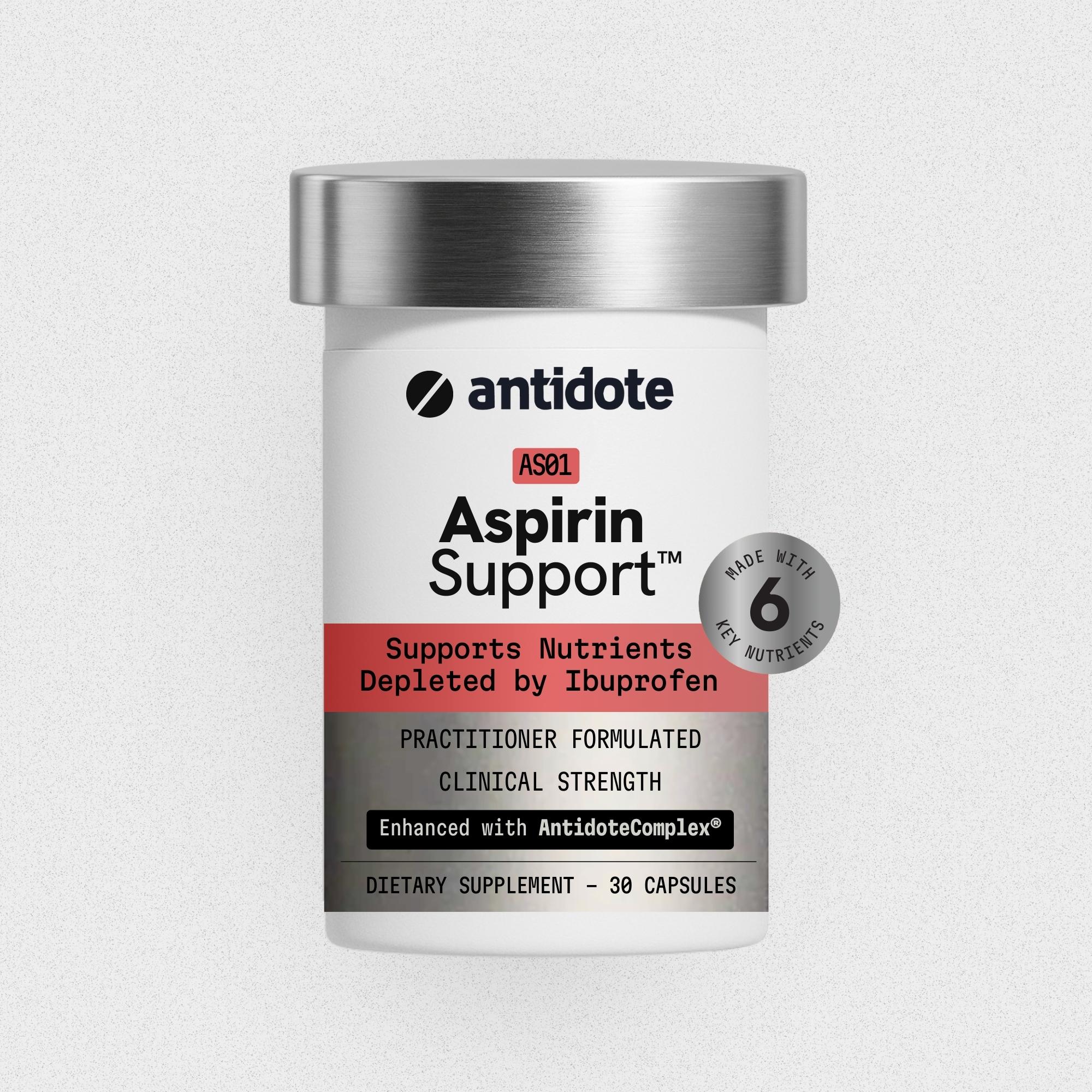
Shop Third-Party Supplements

Zinc Bisglycinate
by Pure Encapsulations
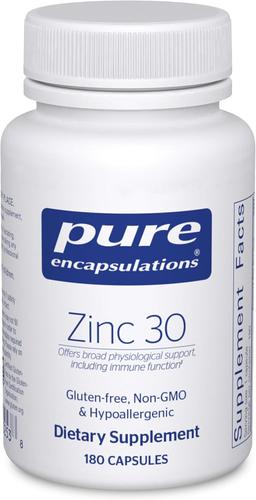
The Zinc supplement by Pure Encapsulations is a dietary supplement designed to support immune function and overall health, featuring highly bioavailable zinc in a hypoallergenic, vegetarian capsule.
Strength: 15 mg
Buy now
Zinc Bisglycinate
Expert Research
Recommended
Recommended
N-Acetyl-L-Cysteine
by Pure Encapsulations
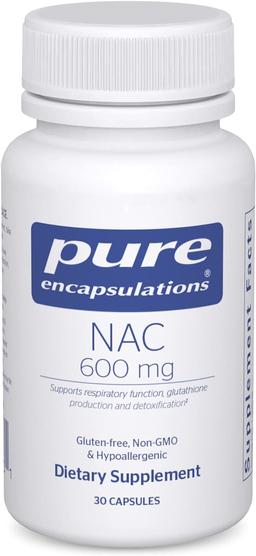
The NAC supplement by Pure Encapsulations provides N-Acetyl-L-Cysteine, an antioxidant that supports cellular health, detoxification, and immune function.
Strength: 600 mg
Buy now
N-Acetyl-L-Cysteine
Expert Research
Recommended
Recommended
Vitamin C (Ascorbic Acid)
by Pure Encapsulations
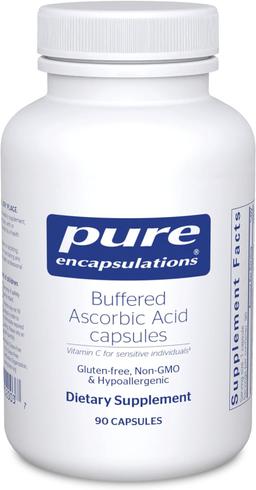
Pure Encapsulations' Vitamin C supplement is a high-quality, hypoallergenic product designed to support immune function, collagen production, and antioxidant protection.
Strength: 200 mcg
Buy now
Vitamin C (Ascorbic Acid)
Expert Research
Recommended
Recommended
Milk Thistle (Silybum marianum) (seed) Standardized 80% Silymarin Flavonoids)
by Pure Encapsulations
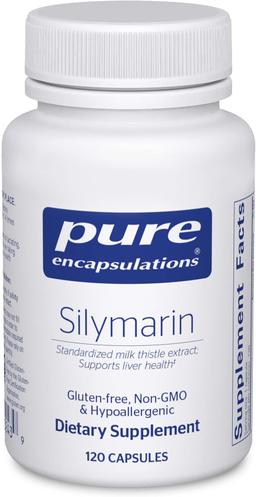
The Milk Thistle supplement by Pure Encapsulations is a dietary supplement designed to support liver health and detoxification, made with high-quality, standardized milk thistle extract.
Strength: 250 mg
Buy now
Milk Thistle (Silybum marianum) (seed) Standardized 80% Silymarin Flavonoids)
Expert Research
Recommended
Recommended
Niacinamide
by Pure Encapsulations
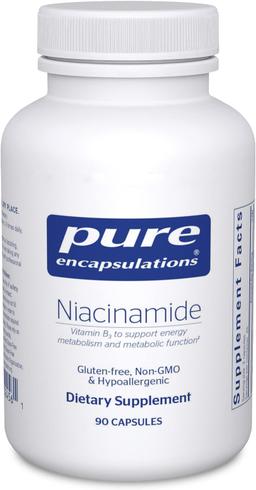
The Niacinamide supplement by Pure Encapsulations is a high-quality, hypoallergenic dietary supplement designed to support healthy skin, joints, and overall cellular function by providing a bioavailable form of vitamin B3.
Strength: 100 mg
Buy now
Niacinamide
Expert Research
Recommended
Recommended
Vitamin B12 Methylcobalamin
by Pure Encapsulations
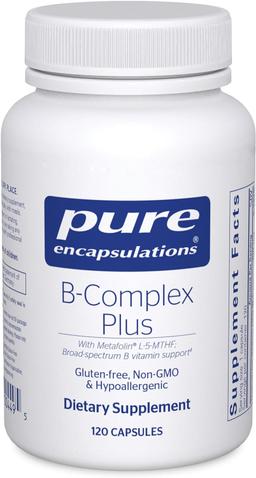
Pure Encapsulations' Vitamin B12 supplement provides a high-quality, bioavailable form of vitamin B12 to support energy production, neurological function, and overall health.
Strength: 0.2 mg
Buy now
Vitamin B12 Methylcobalamin
Expert Research
Recommended
Recommended
Antidote is a free resource, supported among other sources by affiliate commissions for purchases made through links on our site. Read full disclaimer
Next Steps
Save this report and share it with your healthcare provider or a family member
Ask our expert AI assistant additional questions related to Painaid.